

Key Features
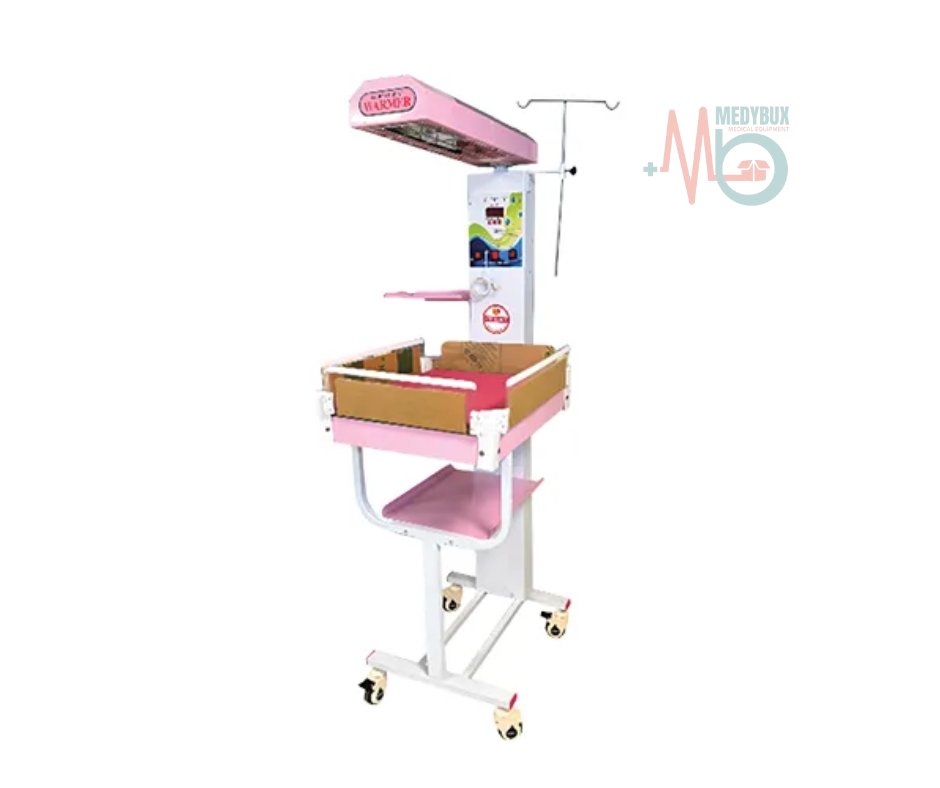
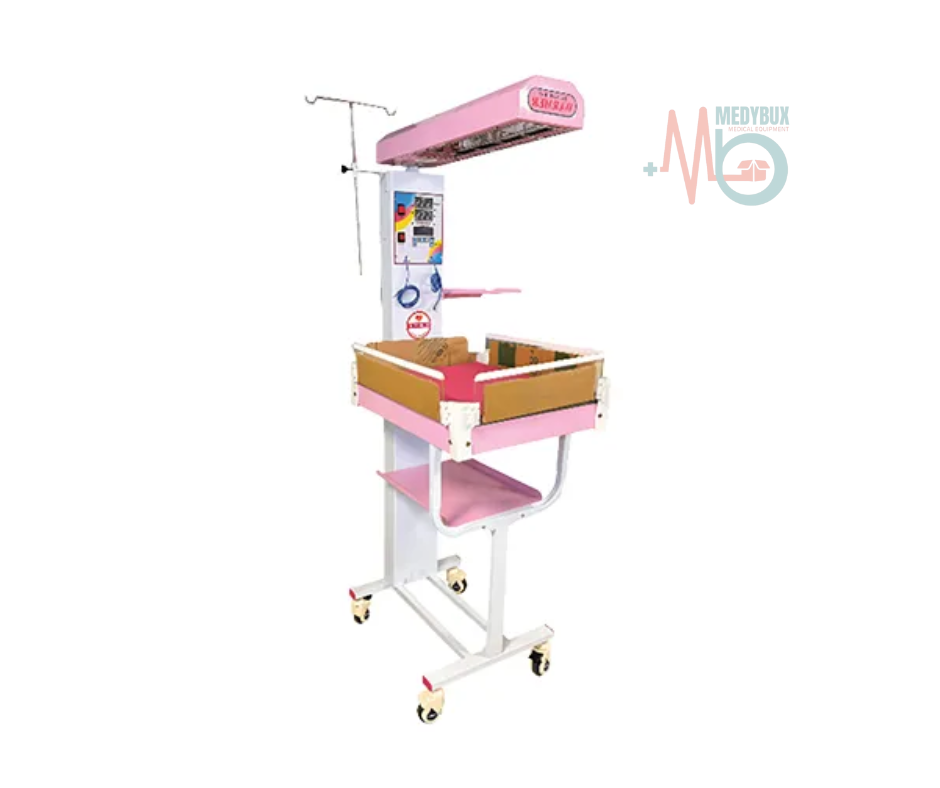
- Single Sensor Mode – Monitors and regulates temperature using a skin sensor with LED display.
- Dual Sensor Mode – Monitors both skin and air temperature for enhanced thermal management.
- Advanced Quartz Heater – 650W glass tube heater provides quick and consistent warming.
- Alarm Safety System – Alerts include high temperature, power failure, and heater cut-off via audio/visual indicators.
- Efficient Display – 50mm LED display for real-time monitoring of skin and air temperatures.
- Power-Efficient Operation – Consumes only 750W, suitable for standard 220V AC supply.
How to Use
- Position the warmer above the infant bed and connect to a stable power source.
- Attach the skin sensor to the baby (abdomen region) securely and activate the system.
- If using the dual sensor model, ensure both air and skin sensors are functioning and properly placed.
- Set the temperature via the control panel and monitor the LED display for real-time readings.
- Respond promptly to any alarm alerts, and adjust the heater output as required.
Technical Specifications
| Feature | Single Sensor Model | Dual Sensor Model |
|---|---|---|
| Sensors | Skin Sensor | Skin Sensor, Air Sensor |
| Alarm Types | High Temp (Audio/Visual), Power Fail (Audio/Visual), Heater Cut-Off at Set Point | High Temp (Visual), Power Fail (Audio/Visual), Heater Cut-Off at Set Point |
| Display | 50mm LED Skin Temp Display | 50mm LED Skin & Air Temp Display |
| Heater Type | Quartz (Glass Tube Type), 650W | Quartz (Glass Tube Type), 650W |
| Power Supply | 220V AC | 220V AC |
| Power Consumption | 750W | 750W |
| Application | Neonatal Warming | Neonatal Warming |
Quick Tips
- Choose single or dual sensor based on NICU protocol and patient condition.
- Always place the skin sensor on the abdomen for accurate thermal readings.
- Keep the warmer positioned centrally above the infant for uniform heat distribution.
- Check the heater lamp for clouding or damage before each use.
Warnings & Safety Information
- Only for use under supervision of trained medical professionals.
- Never leave the warmer unattended when active.
- Respond immediately to alarm indicators to avoid overheating.
- Ensure sensors are properly placed and calibrated for accurate feedback.



Reviews
There are no reviews yet.